
Client Gifts for Interior Designers: What to Send and When
TL;DR
A gift is marketing with a bow on it, and one of the highest return activities in your fourth quarter. I’ve watched a $60 gift generate a $90K referral, not because it was impressive, but because it was so specific the client told the story at a dinner party.
Part 2 of the holiday marketing series. When to send, why your logo doesn’t belong near it, the six categories that work and the five that backfire, and why the note matters more than the gift.
Highlights
➜ 02:00 Why a gift outperforms advertising, and the $60 gift that returned $90K
➜ 04:00 Send in November, and why January might be even better
➜ 07:00 The client dossier, and why your team should be adding to it all year
➜ 14:00 Your logo isn’t a gift, and the one narrow exception
➜ 17:00 The 6 categories that work, and the one I’d choose first
➜ 24:00 The 5 that quietly backfire, including the one everybody sends
➜ 34:00 The note that matters more than anything in the box
A Gift Is Marketing with a Bow on It
A well-chosen gift does three things no advertisement can. It proves you were paying attention, creates a moment of warmth attached to your name, and obligates nothing, which is why people respond so generously. Reciprocity is the most reliable force in human behavior, and the easiest way for a client to give back is to share your name. I’ve watched a $60 gift generate a $90K referral, because it was specific enough that the client told the story at a dinner party. Your name travels inside stories far better than inside advertising.
Send in November, Not December
Thanksgiving beats Christmas, and it isn’t close. Not the week of, ideally, since everyone’s traveling or hosting. Earlier in the month is better.
In the last 2 weeks of December, your gift lands alongside 15 or 50 others in a season when everyone expects something. You’re lost in the pile, ignored in the avalanche from the dentist, insurance agent, and financial advisor.
Arrive before Thanksgiving, and three things change. Yours is one of very few. It reads as gratitude rather than obligation. And it carries no religious assumption, which matters when you haven’t kept up with what your client celebrates.
A gift that lands in mid-November says I was thinking about you and I appreciate you. A gift that lands on December 22 says, “I remembered my list, and you’re on it”. Clients feel the difference even when they can’t name it.
Order early regardless, since anything custom or shipped is at the mercy of a supply chain that gets ugly after Black Friday. November can fly by, but the first week of December still works. Miss the season entirely? Send it in January. That’s my preferred timing. The festivities are over, everyone’s in a letdown, and your gift is a bright spot launching their new year. Nobody else is doing it.
Gift From the Dossier, Not the Catalog
This is the whole episode in one line. Specific beats are expensive every single time.
You’ve been behind the closed doors of their sanctuary, where people who’ve known them for decades have never been past the front door. With that access comes the responsibility to learn enough to gift appropriately.
A dossier is an elegant word for your client’s file, and it holds far more than the project. What they collect, where they travel, their pet’s name, the daughter at Michigan State, the bourbon they pour or the fact that they don’t drink at all, the cookbook they’ve mentioned three times.
Your client dossier of personal details may be one page or eight, held in confidence inside the firm. Build the depth at onboarding, then empower every team member to add to it all year, because details slip out in conversation and need to land somewhere.
When a designer tells me they know their clients well by the end of the project, my answer is that’s too late. You need that intel before you start. And a $50 gift that proves you listened will outperform a $300 gift that proves you have a corporate account.
Your Logo Isn’t a Gift
A branded item is an advertisement they must find a place for, or a place to hide.
A tote with your firm’s name, a mug, and a notebook with the logo embossed. That’s marketing collateral wearing a bow, and affluent clients know the difference instantly. How many branded gifts have you been given that you still use?
There’s one narrow exception. When the item is beautiful and useful, with your mark appearing discreetly, it can work. A leather portfolio with their initials, your mark quietly embossed on the back. The bar is high, and most branded gifts don’t clear it.
Worth knowing too, clients at the top of the market generally don’t wear logos. Visible branding is usually aspirational, more flash than cash. The right place for your name is the note and the packaging, less so the object.
6 Categories That Work
1. Consumables. Fine food, a boutique chocolatier rather than the obvious brands, exceptional olive oil, coffee from a roaster they’d never find. Be cognizant of allergies and taste, since milk chocolate with nuts sent to someone who eats only dark and has a nut allergy reads as careless.
2. Experiences. Tickets, a tasting, a class, a membership to something they love. Most of your clients have everything money can buy. What they don’t have is more memories, and every time they recall that experience, they’ll remember you as the source. That’s priceless.
3. Personalized and handmade. A piece from an artisan you discovered during their project. A custom item tied to something they collect. This is where specificity lives.
4. Books. A beautifully produced book on the subject they’re obsessed with, with a handwritten note inside the cover. Lower investment, deeply personal, and it sits where they see it. Not the book of their project, which is a completion gift rather than a holiday one.
5. A charitable donation in their name, when you know the cause matters. Most charities don’t disclose the amount, so your client receives a card saying a donation was made on their behalf. Never announce the figure and never guess at the charity. Those belong in the dossier.
6. Services that remove friction. A cleaning service before they host. A photographer for a family portrait in the home you designed. Flowers for the party you know they’re throwing. My favorite category, because it’s useful at the moment they’re stretched, and it keeps your work in the room while 30 guests stand in it. And less is more when it’s the right gift. That’s a writer downer.
5 That Quietly Backfire
1. Alcohol when you don’t know. Some people don’t drink for reasons they may not have shared. When you know for certain, go ahead. When you’re guessing, choose something else.
2. The generic basket or box. A shrink-wrapped tower of crackers nobody eats signals a bulk order, the opposite of what you’re going for. The exception is one built around something you know, like an all-lavender collection after a bath remodel, because she told you her favorite fragrance is lavender. After a kitchen remodel, a night with a personal chef teaching them their new appliances beats any basket.
3. Anything that creates work. Assembly, returns, a subscription to cancel, a plant that needs care. Love plants? Gift the book, or an afternoon at a nursery choosing their own.
4. Anything that needs a home. You designed their home. Why hand them another object to place?
5. Anything extravagant enough to embarrass. A gift so expensive it creates obligation stops being generous, and many trade and real estate partners are ethically bound to decline gifts entirely.
One more on timing. When a project wraps in December, keep the completion gift separate from the holiday gift. They’re different gestures and combining them halves the impact of both.
Who Belongs on Your List
Current clients, every active project. Then past clients, which is where most designers stop too soon. They’re your warmest audience and your highest likelihood of referral, and most haven’t heard from you in two years. Going back 3-5 years isn’t excessive, it’s strategic. Exclude the ones you don’t want again, and the ones you’ve outgrown who’ll only refer at their old level.
Profit partners and gate openers. Builders, architects, realtors, cabinet shops, landscape designers, wealth advisors, estate attorneys. They share your ideal client and don’t compete with you.
Your trade team. Workrooms, installers, receivers, reps. They make you look brilliant, rarely get thanked, and will prioritize your rush order next spring. When my drapery workroom was slammed, pizzas and chocolate landed better than flowers.
And your gatekeepers. Assistants, property managers, estate managers, the person who schedules access. Thank the builder’s project manager well one November and watch what happens on your job site the following year.
The Note Matters More Than the Gift
The gift creates the moment. The note is what they keep.
Handwritten, always. Three or four sentences, specific to them, referencing something real from your year together. No pitch, no mention of referrals, no reminder that you have spring availability.
Something like this. Designing your kitchen this year was a genuine pleasure, particularly the afternoon we discussed the island pendants and you were right. Wishing you and the family a wonderful Thanksgiving. Thank you for trusting us with your interiors.
Warm, specific, asking for nothing, which is precisely why it works.
Deliver it well. Hand deliver when you can, because 5 minutes at the door is worth more than the gift. When you ship, have it arrive presented rather than in a brown box with a packing slip.
Drawing a blank on someone from years back? Send something regionally excellent with a note referring to the project rather than the person, or skip the gift and send the note alone. A handwritten note with nothing attached is never wrong, and for a cold relationship it’s often the better opening.
And follow your clients on Instagram, Facebook, and LinkedIn. You’ve been given access to their sanctuary and following them means you’ll never be short on details again.
Make It a System, Not a Scramble
This falls apart every year for the same reason. It lives in your head in October and becomes a panic in December.
Give it an owner, a calendar, and an investment line. Someone on your team owns the list, ordering, addresses, and delivery dates. You own the selections and the notes, because only those two require you. Decide what you’re investing per tier, set the order and arrival dates, and work backward. Check with your accountant on how gifts are treated and keep a record, so you never repeat an item.
Your Assignment This Week
Pull the three lists you built last week and choose your top ten, the relationships that most shape your next year.
For each one, write the personal details you already know, then match a gift to those details. Not to a category. To the details.
Set your order date for the first week of November and hand the logistics to your team. Then write those ten notes by hand yourself. Thirty minutes, and they’ll outperform everything else you send.
Frequently Asked Questions
When should interior designers send client gifts?
Before Thanksgiving is ideal, the first week of December works, and January is arguably better still. The holidays are over, everyone’s feeling the post-holiday blues, and nobody else is sending anything.
What makes a good interior design client gift?
Specificity. Gift from your client dossier rather than a catalog. A $50 gift that proves you listened will outperform a $300 gift that proves you have a corporate account.
Should I put my logo on client gifts?
No. A branded item is an advertisement they must find a place for. Your name belongs on the note and the packaging, never on the object.
Who should be on my client gift list?
Current clients, past clients going back 3-5 years, profit partners, your trade team, and the gatekeepers who schedule access and are almost never acknowledged.
What gifts should interior designers avoid?
Alcohol when you’re guessing, generic baskets and boxes, anything requiring assembly or care, anything that needs a home, and anything extravagant enough to embarrass a partner who may be barred from accepting it.
About Melissa Galt
Melissa Galt is a sought-after business coach, marketing consultant, keynote speaker and workshop leader who empowers designers to build highly profitable businesses, without the burnout. With over three decades as the principal of her namesake successful residential design firm, Melissa brings firsthand experience and proven strategies that empower creative professionals to earn more in less time, with less stress.
She is the author of four transformative bestselling books, Marketing Luxury Design: Attracting Affluent Clients; The Language of Success: 35 Words to Boost Your Worth & Wealth; Design Discovery: The Proven Process to Land Ideal Clients & Grow Profit, and Proximity to Profits: 50 Strategic Locations to Meet Affluent Clients.
She is also the host of the weekly Design Business Freedom™ podcast, where she shares unfiltered advice on mindset, money, and marketing for interior design pros ready to elevate their game. When you’re ready to take your practice to the next level, book a complimentary Design Business Assessment with Melissa.
Melissa draws inspiration from her legacy of iconic creatives including her mother, the late Academy Award-winning actress Anne Baxter; her godmother, the legendary eight-time Oscar-winning costume designer Edith Head; and her great-grandfather, American architectural icon Frank Lloyd Wright.
Listen to this episode on Design Business Freedom™ Podcast, Episode 214.
Available on Apple Podcasts, Spotify, Audacy, Deezer, Podchaser, and Everand.

GET MORE OF MELISSA, ON THE PODCAST!
Subscribe to the podcast, Design Business Freedom™, and get the best in smart systems, proven processes, and the right strategies and resources to take your design practice to the next level.
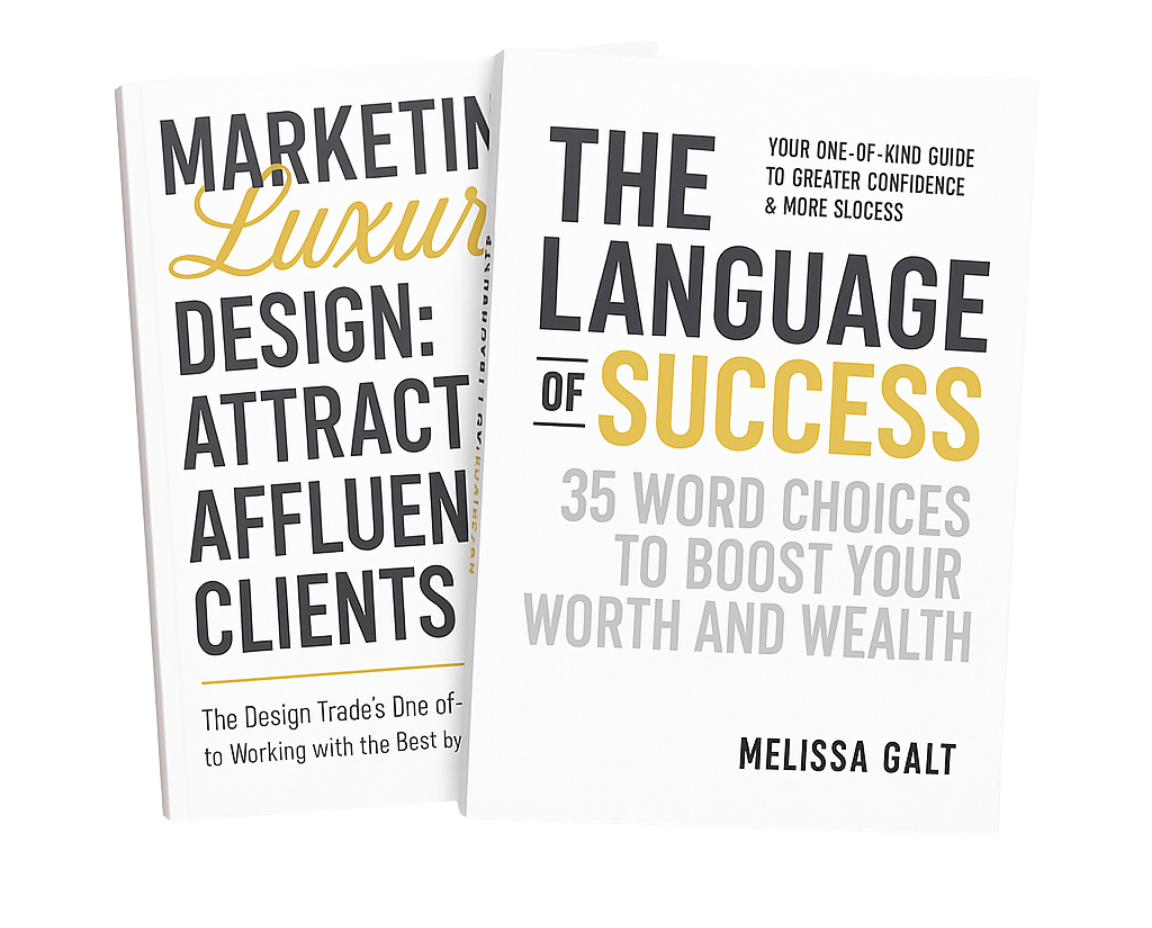
Book Bundle
Marketing Luxury Design:
Attracting Affluent Clients
The Design Trade's One-of-a-Kind
Guide to Working with the Best
The Language of Success:
35 Word to Boost Your Worth & Wealth
Your One-Of-A-Kind Guide To Greater Confidence and More Success
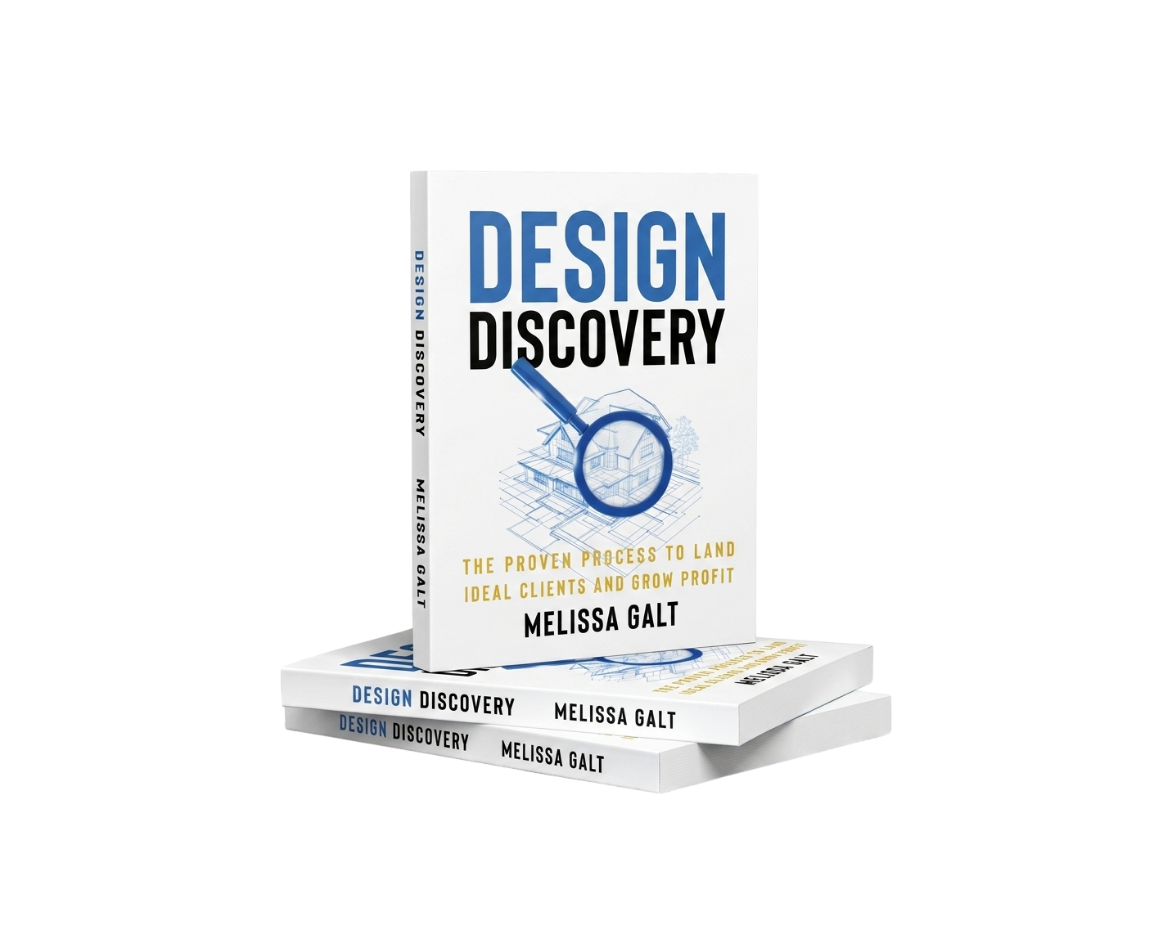
Design Discovery
The Proven Process To Land
Ideal Clients and Grow Profit