Interior Design Client Experience: 4 Things That Matter More Than Your Talent
Your client needs four things from you. Not at the end of the project. Not at the big reveal. From the very first interaction through every phase, every update, every decision, and every challenge along the way.
They need to be Heard. Understood. Valued. Cared for.
It sounds simple. It is profoundly nuanced. And when you nail it, everything transforms: your referrals, your revenue, and the depth of your client relationships
Key takeaways
- Your client needs four things from you throughout every phase of the project: to be Heard, Understood, Valued, and Cared for.
- Active listening means speaking one-third of the time while your client shares two-thirds, taking visible notes, and recapping what they’ve said so they can confirm you got it right.
- After every meeting, create a recap and get your client’s initials using HelloSign, DocuSign, or in-person initials to eliminate friction and she-said, he-said situations later.
- One designer who crossed the seven-figure mark made her first hire a client concierge, not a design assistant, and designers who implement weekly updates consistently report a 50 percent drop in client emails and texts.
Heard: Listen More Than You Speak
In design discovery, you should be speaking one-third of the time. Your client should be sharing two-thirds. Use your two ears in relationship to your one mouth in that ratio.
Active listening means leaning in. It means taking notes, even on Zoom. Clients like to see you taking notes. It gives them a sense of confidence and security that you’re not missing anything.
Active listening also means recapping what they’ve said so they can confirm you got it exactly right or correct what you missed. Do not guess. Verify. A client who feels heard is halfway to happy.
Understood: The Recap Is the Proof
After every phone meeting, every job site conversation, every Zoom, create a recap. Send it to the client. Get their initials.
Why initials? Because without a documented recap, it becomes a she-said, he-said situation later. With initials, you have agreement in writing. Use HelloSign, DocuSign, or a simple in-person initial. This one small habit eliminates an enormous amount of friction downstream.
Valued: Your Process Is the Foundation
Clients are investing significantly in interior design It doesn’t matter what level your client is at, they are making an investment and want confidence it is with the right design firm. You need to honor that.
A strong process is where value begins. Remove your services from your website. Services are what you tell the client they need. You’re the expert on that. Instead, showcase your process. Make it visible. Make it a document they initial before work begins.
Alongside your process document, create an expectations document. When your expectations and your client’s expectations are aligned from day one, friction disappears. When there’s a gap, it will surface mid-project at the worst possible moment.
Bond them to your process with a detailed questionnaire during discovery. Six pages, ten pages, fifteen pages. They will only fill out one of those questionnaires, and it should be yours. That depth of engagement means they’re not considering another design firm.
Cared For: Surprise, Delight, and Concierge-Level Attention
Client care is not the last thing you add. It’s the first thing you lead with. First-class client care includes perks, gifts, and surprise-and-delight moments woven into the timeline of every project.
Create an estimated timeline for each project and insert your client care touchpoints. Have a team member responsible for ordering gifts in advance, keeping them on the calendar, and making sure they arrive as planned.
Keep a separate list of crisis goodies. When something goes wrong, and it will, you want to be able to step up with a meaningful gesture that gives you time to resolve the issue and keeps trust intact.
Build a dossier on each client: what they collect, where they vacation, what makes them light up. A Google Alert on their favorite artist. A heads-up about a boat show they might have missed. This level of personalized attention is what separates a designer from an irresistible design experience.
The Client Concierge: Your Smartest First Hire
One of my designers crossed the seven-figure mark, and the first hire she ever made was a client concierge. Not a design assistant. Not a junior designer. A client concierge.
That concierge handles weekly or bi-weekly project updates (bullet points, not novels), manages the client care calendar, maintains the dossier, and sends thoughtful touches throughout the project. The designers who implement weekly updates consistently report a 50 percent drop in client emails and texts. Proactive communication eliminates reactive frustration.
Lead with This from the Very First Touch
When your first interaction with a potential client is blurting out your hourly rate when they call, you have entered the race to the bottom. You cannot win a race to the bottom.
Instead, take control of that conversation. Lead them into your process: “We have a very effective design discovery process. It’s a two-part experience. Our first step is a complimentary Zoom consultation, and we have an opening next Tuesday at 10 or Thursday at 2. Would one of those work for you? Design is a significant investment. Our clients enjoy their interiors for 15 to 20 years. We want to make sure it’s the right fit for both of us.”
You’ve positioned design as a big deal. You’ve positioned yourself as the expert. And the client is already feeling heard, understood, valued, and cared for, before you’ve ever seen their home.
Frequently asked questions
How much should I be talking during design discovery with a client?
You should be speaking one-third of the time while your client shares two-thirds. Use your two ears in relationship to your one mouth in that ratio. Active listening means leaning in, taking notes (even on Zoom), and recapping what they’ve said so they can confirm you got it exactly right or correct what you missed.
Why should I get client initials on meeting recaps?
Without a documented recap, it becomes a she-said, he-said situation later. With initials, you have agreement in writing. Use HelloSign, DocuSign, or a simple in-person initial. This one small habit eliminates an enormous amount of friction downstream.
What should I say when a potential client calls and asks about my hourly rate?
Take control of the conversation and lead them into your process instead of blurting out your rate. Say something like: ‘We have a very effective design discovery process. It’s a two-part experience. Our first step is a complimentary Zoom consultation, and we have an opening next Tuesday at 10 or Thursday at 2. Would one of those work for you? Design is a significant investment. Our clients enjoy their interiors for 15 to 20 years. We want to make sure it’s the right fit for both of us.’
What does a client concierge do for a design firm?
A client concierge handles weekly or bi-weekly project updates (bullet points, not novels), manages the client care calendar, maintains the client dossier, and sends thoughtful touches throughout the project. Designers who implement weekly updates consistently report a 50 percent drop in client emails and texts because proactive communication eliminates reactive frustration.
How detailed should my discovery questionnaire be?
Your questionnaire should be six pages, ten pages, or even fifteen pages long. Clients will only fill out one of those questionnaires, and it should be yours. That depth of engagement means they’re not considering another design firm and bonds them to your process from the start.
Ready to Transform Your Client Experience?
Get Melissa’s latest book to elevate your client experience and land better clients and bigger projects.
Design Discovery: The Proven Process to Land Ideal Clients and Grow Profit
Listen to this episode on Design Business Freedom™ Podcast – Episode 194
Available on Apple Podcasts, Spotify, Audacy, Deezer, Podchaser, and Everand.
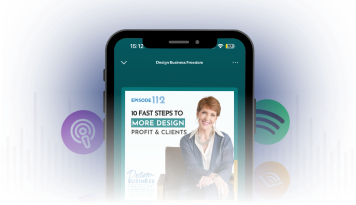
GET MORE OF MELISSA, ON THE PODCAST!
Subscribe to the podcast, Design Business Freedom™, and get the best in smart systems, proven processes, and the right strategies and resources to take your design practice to the next level.
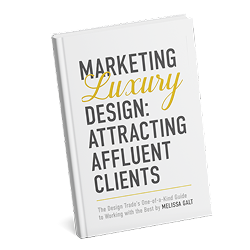
Marketing Luxury Design: Attracting Affluent Clients
The Design Trade’s One-of-a-Kind Guide to Working with the Best

The Language of Success
Your One-Of-A-Kind Guide To Greater Confidence and More Success