The Best Interior Design Projects: 7 Keys to More Profit
In your design business, choosing the right projects is essential. Some projects energize you, delight your clients, and build your bottom line. Others drain your energy, disrupt your schedule, and challenge your peace of mind.
Episode Highlights
- 00:01 – “Assessing money as a motivator for project selection.”
- 05:45 – “Evaluating portfolio impact and photography investments.”
- 12:30 – “Timing and workload considerations.”
- 18:00 – “Choosing ideal project locations.”
- 29:00 – “Referral potential from connected clients.”
Let’s break down how to identify the best interior design projects—those that align with your goals and values while driving profitability.
1. The Money
Start by asking yourself, Do I need this project, or can I wait for something better? Projects come in two categories: filler or feature. If it’s a filler, it’s something to sustain cash flow while you wait for your dream projects. If it’s a feature, it’s a standout opportunity that aligns with your goals.
Next, assess whether the client’s budget is realistic. If not, can you guide them toward a more realistic investment? Always include your design fees and procurement management fees when quoting. Here’s the bottom line:
- Good money energizes you, brings joy, and creates profit with clients who are a delight to work with.
- Bad money drains your resources, stresses you out, and disrupts your peace of mind.
2. Your Portfolio
Every project is an opportunity to enhance your portfolio. Ask yourself:
- Does this project align with the image I want to portray?
- Will I invest in professional photography to showcase this work?
- Is this strictly for my website and social media, or could it also be submitted for publication?
Strategically adding the best interior design projects to your portfolio helps position you for bigger opportunities.
3. The Project & Timing
Evaluate the scope of work. Is it something you enjoy and can feel proud to showcase? Consider if the project meets these criteria:
- Does it align with your design fee minimum?
- Will it challenge and stretch you creatively?
- Does it fit well into your current workload without overburdening your schedule?
Be selective about the timing and type of projects you take on to ensure alignment with your overall goals.

4. The Location
A project’s location impacts convenience and your brand’s perception. Consider:
- Is the property in a desirable development, community, or neighborhood?
- Is it within a manageable driving radius, or is it a destination project worth the travel?
- Would you be proud to include an exterior shot of the property in your portfolio?
Choose locations that enhance your reputation and minimize logistical stress.
5. The Testimonial
Do you need more testimonials to boost your credibility? This project might be an opportunity to secure glowing feedback. If the client is high-profile, their testimonial could be a valuable marketing tool.
Conversely, anonymous testimonials, while useful, may not carry the same weight. Be intentional about the kinds of testimonials you’re aiming to collect by focusing on the best interior design projects that truly showcase your expertise and impact.
6. The Referral Opportunities
Some clients are connectors—gate openers to a network of high-quality referrals. Ask yourself:
- Is this client well-connected?
- Can this project introduce me to a specific industry or niche?
- Is this client’s profile high enough to elevate my brand?
Choosing projects with strong referral potential can be a strategic move for long-term growth.
7. Previous Great Clients vs. Not-So-Great Clients
Maintain relationships with clients you love—even if the project is small. They’ve already proven to be a good fit, and nurturing these relationships can lead to future opportunities, including the best interior design projects that align with your vision.
On the flip side, it’s okay to release clients who’ve been challenging or who drain your energy. Staying stuck in the trap of word-of-mouth referrals from not-so-great clients can lead to more of the same—and that’s a cycle you don’t want to perpetuate.
Key Takeaways
Choosing the right projects means more than chasing the next paycheck. It’s about aligning with your goals, enhancing your portfolio with the best interior design projects, managing your time wisely, and cultivating meaningful client relationships. By evaluating opportunities against these seven keys, you can confidently build a design business that aligns and profits.
When you’re ready to increase your interior design practice profits, work exclusively with ideal clients, and enjoy the time and resources for your extraordinary life, explore your coaching options. We’ve got your back in the business of interior design.
FAQ’S
How do I decide if an interior design project is worth taking?
Evaluate whether the project is a filler (sustaining cash flow) or a feature (aligning with your goals). Assess if the client’s investment is realistic and if you can include your design fees and procurement management fees. Good money energizes you and creates profit with delightful clients, while bad money drains your resources and disrupts your peace of mind.
Should I take projects from previous clients even if they’re small?
Maintain relationships with clients you love, even when the project is small. They’ve already proven to be a good fit, and nurturing these relationships can lead to future opportunities. On the flip side, it’s okay to release clients who’ve been challenging or who drain your energy.
How does project location affect my interior design business?
A project’s location impacts convenience and your brand’s perception. Consider whether the property is in a desirable development, community, or neighborhood, whether it’s within a manageable driving radius or worth the travel, and whether you’d be proud to include an exterior shot in your portfolio. Choose locations that enhance your reputation and minimize logistical stress.
What should I consider about referral potential when selecting a design project?
Some clients are connectors who open gates to a network of high-quality referrals. Ask whether this client is well-connected, whether the project can introduce you to a specific industry or niche, and whether the client’s profile is high enough to elevate your brand. Choosing projects with strong referral potential can be a strategic move for long-term growth.
How do I evaluate if a project will strengthen my interior design portfolio?
Ask whether the project aligns with the image you want to portray, whether you’ll invest in professional photography to showcase the work, and whether it’s strictly for your website and social media or could also be submitted for publication. Strategically adding the best projects to your portfolio helps position you for bigger opportunities.
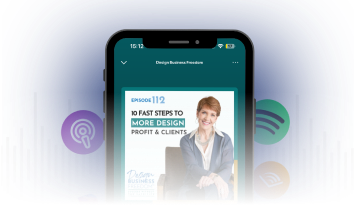
GET MORE OF MELISSA, ON THE PODCAST!
Subscribe to the podcast, Design Business Freedom™, and get the best in smart systems, proven processes, and the right strategies and resources to take your design practice to the next level.

Book Bundle
Marketing Luxury Design:
Attracting Affluent Clients
The Design Trade's One-of-a-Kind
Guide to Working with the Best
The Language of Success:
35 Word to Boost Your Worth & Wealth
Your One-Of-A-Kind Guide To Greater Confidence and More Success
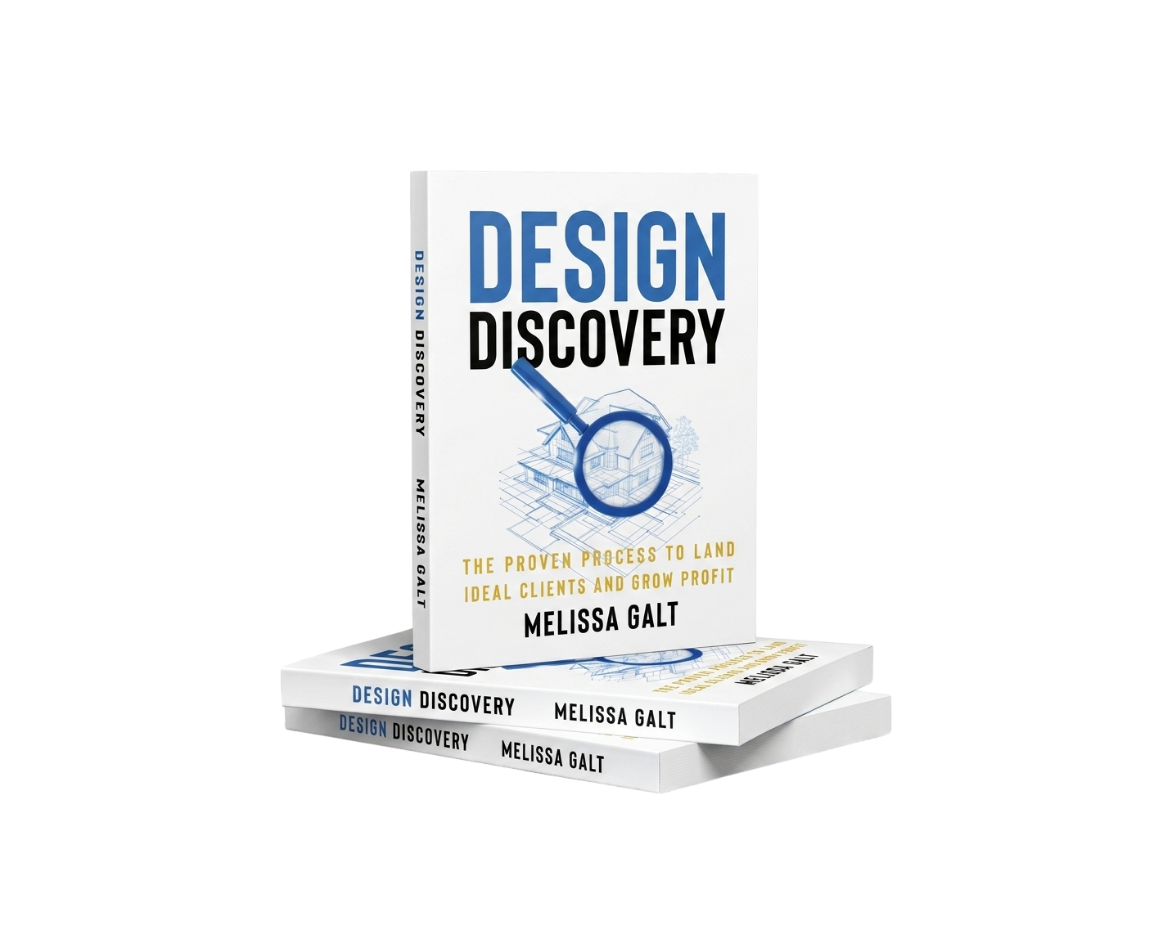
Design Discovery
The Proven Process To Land
Ideal Clients and Grow Profit