
The Hidden Costs of Interior Design Success
Interior design success looks glamorous from the outside. Picture-perfect projects. A curated Instagram feed. An elevated aesthetic that speaks volumes.
But behind the scenes? Many interior designers are quietly hemorrhaging money. They are chasing the image of success without recognizing the silent expenses stealing their profits, energy, and peace of mind.
True success isn’t about what you earn. It’s about what you keep.
In this post, we’re pulling back the curtain on the hidden costs of being a successful interior designer. These are the common overspends, misaligned investments, and autopilot decisions that dilute your margins and distract your focus. Let’s explore how to tighten, simplify, and spend with intention so your design business stays both beautiful and profitable.
Look The Part Without Overspending
As an interior designer, you are the brand. Clients don’t hire you for your portfolio, but for your presence; your eye, your energy, and yes, your appearance.
Here’s the truth: you can look elevated without spending like a celebrity stylist on speed dial.
Start by rethinking your wardrobe strategy:
- Leverage consignment for timeless, high-end pieces at a fraction of the price.
- Embrace thrift and vintage if it aligns with your brand. Curated is the goal, not chaotic.
- Develop a signature style that takes the guesswork out of getting dressed and reinforces your brand identity.
And remember: quality over quantity every time. Three pairs of amazing shoes beats 30 mediocre ones. One iconic handbag trumps a dozen forgettable ones.
Make Aligned Investments In Branding
Too many designers undervalue their website, branding, and copywriting. But these are not optional; they are your first impression, your digital storefront, and your 24/7 sales team.
Your website should clearly communicate:
- Who you are
- What transformation you deliver
- Why you’re the designer to trust with a six- or seven-figure project investments
Yes, you can get a beautiful, branded website for under $8K. But avoid the temptation to DIY or hire a friend’s cousin. Work with professionals who specialize in interior design businesses. Those who understand the nuances of your industry and your clientele.
And don’t skimp on copy. Design visuals may attract, but strategic words close the deal. Use AI if you must, but be sure it’s prompted for high-ticket messaging, not filler content.
Choose Tools That Support Your Workflows
There’s no shortage of business tools marketed to designers. Project management, invoicing, client communication, design delivery…the list is endless.
But buying tools based on popularity, not fit, is a fast way to drain your time and profit.
One client switched platforms three times in a year. The result? $7,500 in sunk costs and 50+ hours of lost productivity. That’s the price of indecision.
Your design firm has its own workflow. Choose tools that support it, not ones that require you to work around their limitations.
Do the demos. Ask the hard questions. And once you commit, stick with it long enough to see the return.
Audit Your Subscriptions And Reclaim Your Margin
Most interior designers are subscribed to far more than they use.
Invoicing software, schedulers, project management platforms, team tools, and approval systems. Many overlap or go unused altogether.
Set a quarterly Tool and Subscription Audit. Ask:
- Am I actually using this?
- Does another tool already do this?
- Can I cancel this without losing function?
And do a quick app audit on your phone. Odds are, you’re paying $4.99 here, $9.99 there. These are subscriptions that add no real value but clutter your digital space and distract your mind.
Sometimes, you’ll find thousands of dollars a year waiting to be reclaimed.
Upgrade Technology When Necessary
We live in a culture obsessed with the latest tech. But you don’t need to upgrade because Apple says so.
If your current devices are working, stick with them. Your focus should be on function, not flash.
Maintain your gear. Protect your screens. Keep your tools clean and reliable.
End Memberships and Badges That Don’t Pay Off
Those professional associations, industry groups, and design organizations look great on paper. But are they delivering real value?
Most clients don’t know what your credentials mean. They hire you for your results, your personality, and your design magic, not your acronyms.
Once a year, conduct a Membership Audit:
- Am I actively engaged?
- Have I received tangible ROI?
- Or am I keeping this for appearances?
Spend where you gain real connection, not decorative clout.
Invest in Presence, Not Labels
Your car, your luggage, your wardrobe, these are all brand signals. But you don’t need designer labels to project a designer lifestyle.
A clean, well-maintained car speaks volumes. So does curated, intentional attire. The goal isn’t to mimic luxury, it’s to embody it through care and thoughtfulness.
That $5,000 you were going to spend on Louis Vuitton? Take a design-inspired trip to Paris, Milan, or London instead. Come back with stories, inspiration, and perspective that enrich your brand and your client experience.
Find Success Without the Spending Spree
At the end of the day, real design success isn’t built on spending. It’s built on intention, clarity, and alignment.
Spend where it strengthens you:
- Your image
- Your brand
- Your business systems
- Your tools
- Your growth
Skip the vanity investments. Cut the hidden costs. Focus on what truly moves your business forward.
Because the most successful interior designers aren’t chasing the illusion of success, they’re curating the reality of it.
Ready to step into a more profitable, aligned, and powerful version of your business? It starts with clarity.

GET MORE OF MELISSA, ON THE PODCAST!
Subscribe to the podcast, Design Business Freedom™, and get the best in smart systems, proven processes, and the right strategies and resources to take your design practice to the next level.
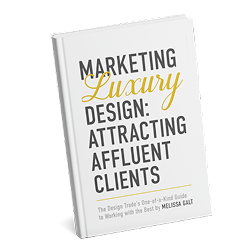
Marketing Luxury Design: Attracting Affluent Clients
The Design Trade’s One-of-a-Kind Guide to Working with the Best

The Language of Success
Your One-Of-A-Kind Guide To Greater Confidence and More Success